Why Your Chosen Hair Colour May Not Give the Result You Expect
Updated 7 October 2026
A hair colour photograph can be a useful starting point. But achieving a result you like involves more than choosing a shade from a picture.
Your current colour, previous treatments, hair condition and maintenance preferences all influence what is suitable and achievable.
Understanding these factors before your appointment helps you make an informed choice.
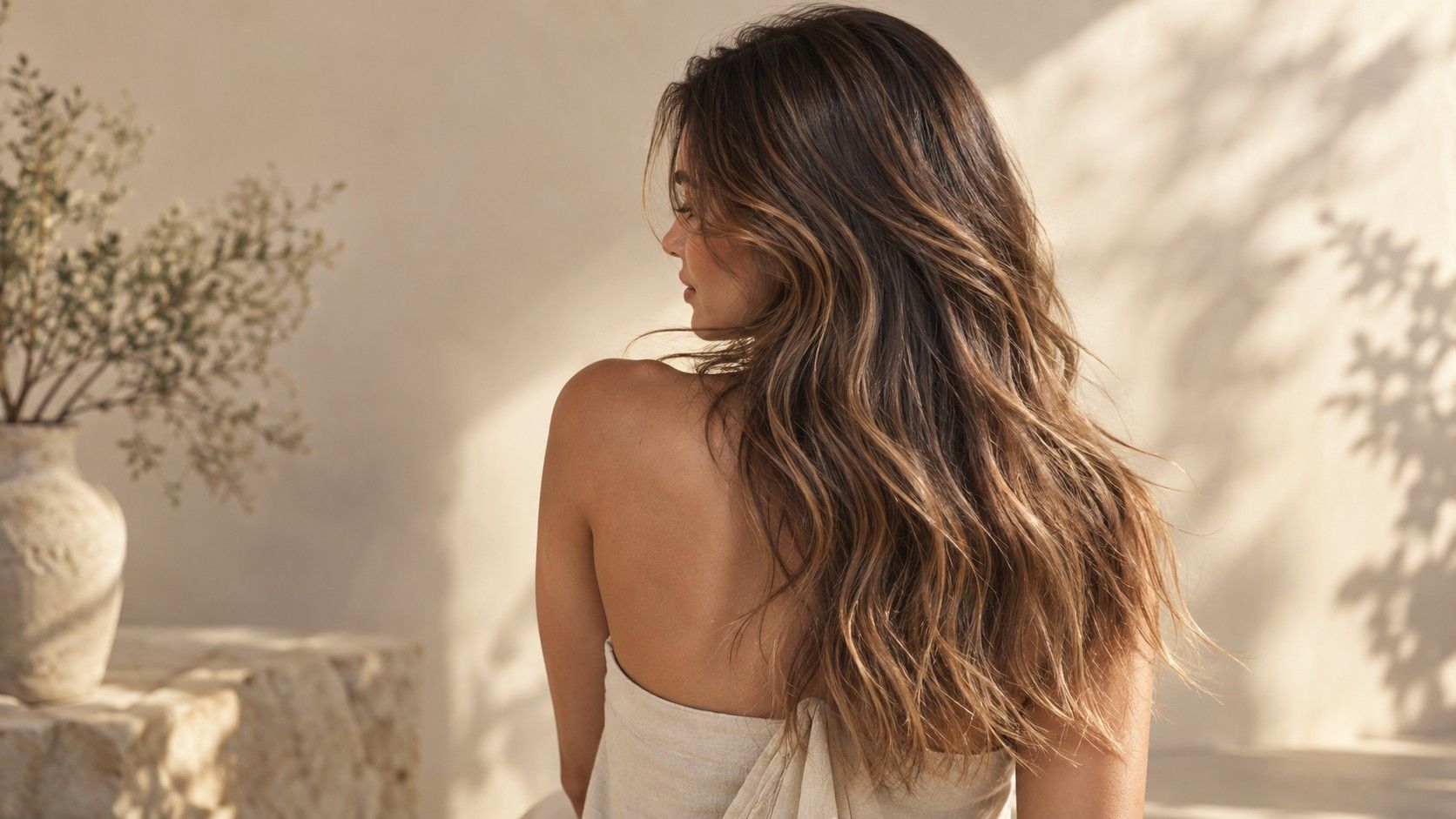
Why the Same Colour Looks Different on Different People
A colour you admire on someone else may look different on your hair.
That does not make the photograph unhelpful. It gives us something to discuss: do you like the lightness, the warmth, the contrast or the placement of the colour?
The result will also depend on:
- your natural colour
- previous colour and chemical treatments
- differences between your roots and lengths
- the condition of your hair
- how the colour is placed and styled
Lighting also changes how a colour appears. A photograph taken in bright daylight may show different tones from one taken indoors.
Bring reference pictures to your consultation, but use them to explain what you like rather than as a guarantee of an identical result.
Going Lighter and Going Darker Need Different Plans
Going lighter usually involves lightening pigment in the hair. Previous colour can make this more complex, and different areas may respond differently.
Going darker also needs consideration. Previously lightened hair may need preparation to help achieve the intended depth and tone.
Neither direction has one approach that suits everyone. The starting point determines the work needed.
Why Your Colour History Matters
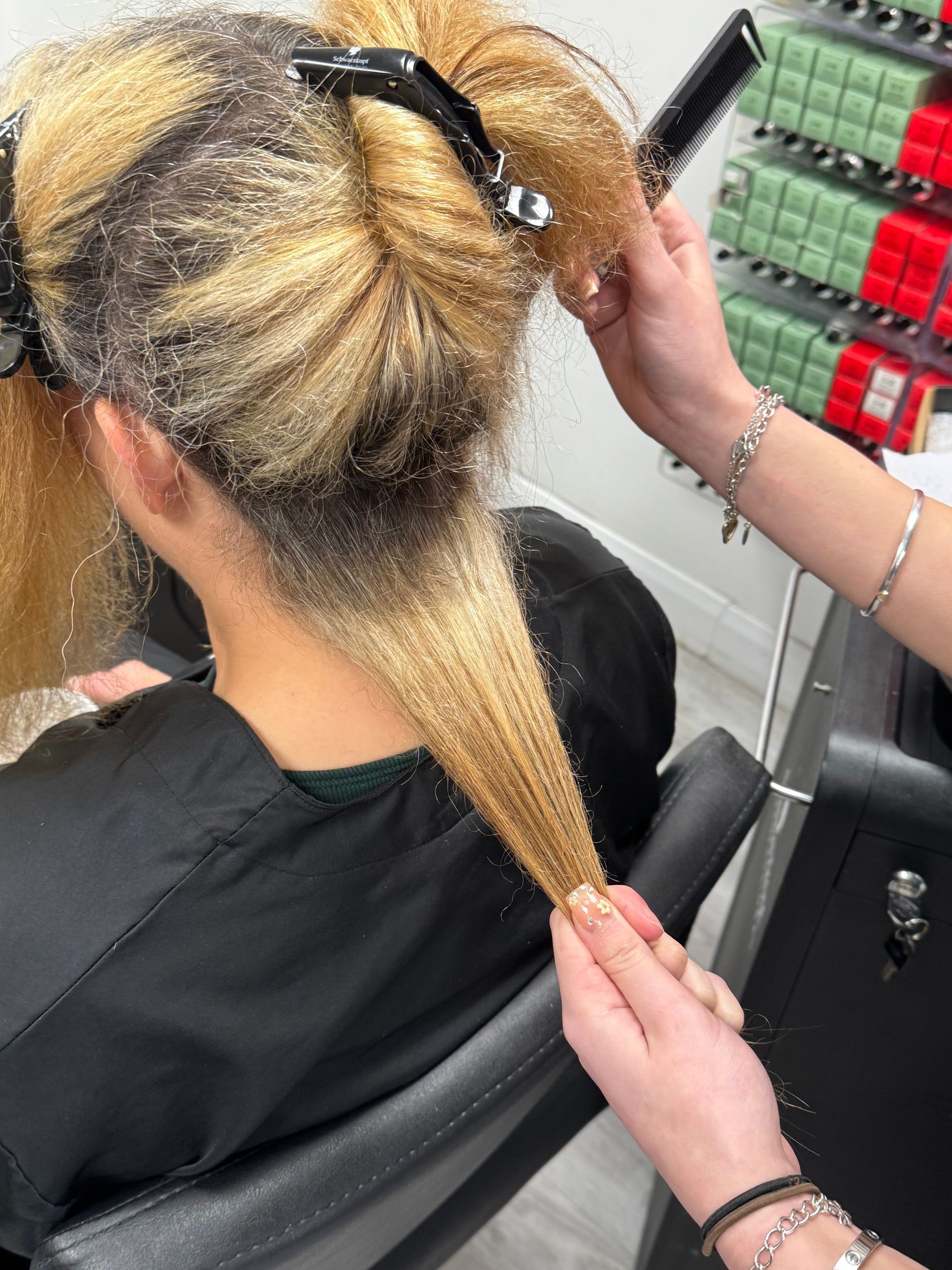
What has previously been applied to your hair can affect future colour services, even when the earlier colour has faded.
Tell us about salon colour, home dyes, lighteners, colour removers and other chemical treatments. Approximate dates and product names can be useful.
This information helps us assess potential challenges such as:
- bands of different colour
- uneven lightening
- unwanted warmth
- differences between roots and lengths
There is no need to feel embarrassed about your colour history. It helps us plan your next service.
Choose a Colour That Fits Your Routine
An achievable colour also needs to work for your day-to-day life.
Before deciding, consider:
- how often you want to visit the salon
- how noticeable you are comfortable with regrowth becoming
- how much time you spend styling your hair
- the homecare and budget you are comfortable maintaining
A colour can look beautiful on the day and still require more upkeep than you want. Discussing maintenance beforehand helps you choose with that in mind.
Why a Reference Photo Is Only Part of the Picture
A finished photograph may not show the person’s starting colour, previous appointments, styling or lighting.
During your consultation, we can discuss which parts of your reference are achievable, what may need adapting and whether the result could require several visits.
Sometimes one appointment is enough. In other cases, a staged approach is more appropriate, or an alternative result may better suit the condition of your hair.
How We Approach Colour Decisions
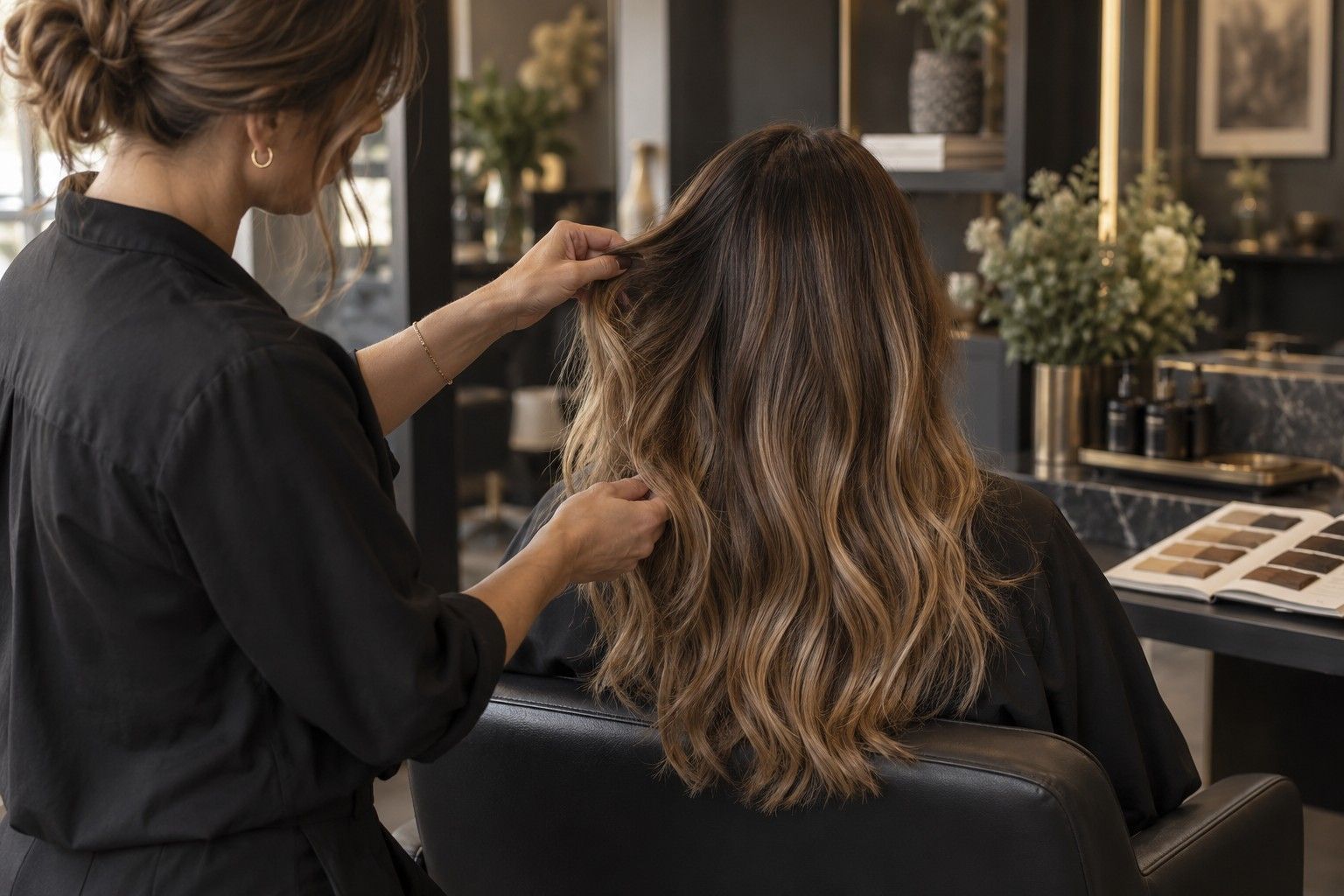
We begin with a structured consultation to understand your hair and what you want to achieve.
This allows us to:
- review your colour history
- assess your current colour and condition
- discuss your reference pictures
- explain any testing needed
- consider maintenance and cost
- agree on a realistic next step
The aim is to give you a clear understanding of the proposed colour before proceeding.
Maintaining Your Colour
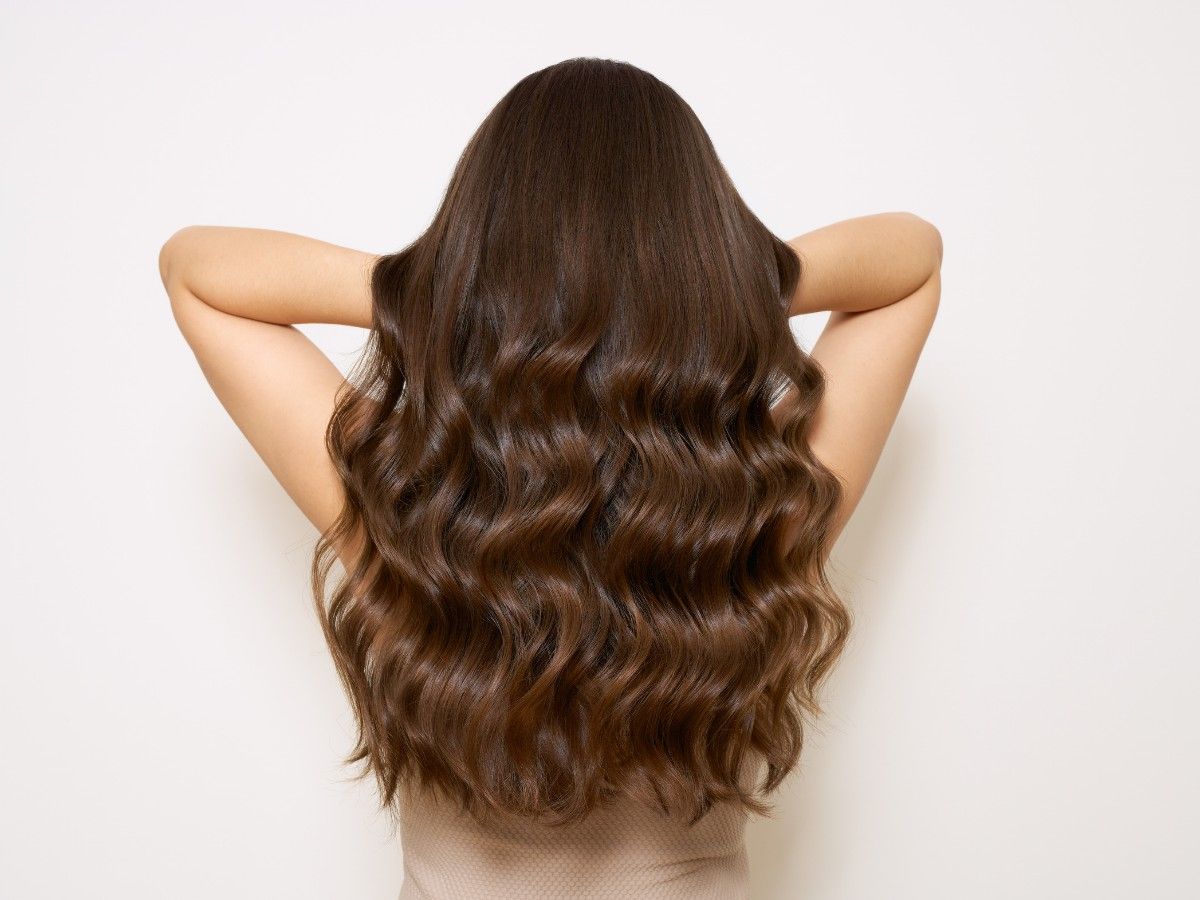
Colour can change between appointments. Your washing routine, heat styling and exposure to sunlight can all influence its appearance.
Ask which homecare is appropriate for your hair and when your colour may need refreshing.
Explore recommended aftercare products →
If You’re Unsure About Your Colour
If your colour feels too dark, too warm or uneven, a consultation can help establish what has happened and what options are available.
You do not need to arrive knowing the technical solution. Bring your concerns, your colour history and examples of what you would prefer.