Why Healthy Hair Isn’t Always Soft Hair
Updated 7 October 2026
Softness is one characteristic of hair, but it is not a complete measure of condition.
Naturally coarse or textured hair may feel different from fine, straight hair without being damaged. Equally, hair that feels silky after conditioning may still have fragile areas.
At THE TRUTH IN COLOUR®, we consider your hair’s natural characteristics, history and behaviour alongside how it feels.
Healthy Hair Does Not Have One Texture
Hair varies in thickness, shape and texture. These differences affect how it feels and how easily it moves, tangles or styles.
A naturally firmer or coarser feel does not automatically mean your hair needs repairing.
The useful question is whether you have noticed a change from what is normal for your hair—for example, new roughness, increased tangling or breakage.
The aim is to care for your hair appropriately, rather than make every texture feel the same.
Soft Hair Can Still Be Fragile
Softness does not guarantee that hair can tolerate further lightening or chemical processing.
Conditioning and styling products can improve smoothness and manageability while previously processed areas remain vulnerable to breakage.
That does not make the improvement unhelpful. It means feel and suitability for a chemical service are different considerations.
Before recommending further colour work, we assess more than softness alone.
Changes Worth Discussing With Your Stylist
Tell us if you notice:
- more breakage during normal handling
- ends that split or tangle repeatedly
- hair that feels unusually stretchy or gummy when wet
- a marked change after a chemical service
- areas that have become harder to manage
These observations help guide an assessment. They do not establish a particular cause on their own.
Avoid repeatedly pulling or stretching strands to test them yourself, especially if the hair already feels fragile.
How Previous Services Affect the Assessment
Lightening, colouring and other chemical services can influence the condition of your lengths. Frequent high heat can also contribute to damage.
Different sections may have different histories. Your roots may be relatively new growth, while the ends have been through several services.
Tell us what has been applied and where, including home colour and earlier salon work.
Our guide to why we ask about your hair history before your goal explains which details are useful.
What Conditioning Products Can—and Cannot—Tell You
Conditioners can make hair easier to detangle and improve softness and smoothness. Those are useful benefits.
However, a softer feel after conditioning does not prove that all previous damage has been reversed or that the hair is ready for another chemical service.
There is no need to avoid a product simply because it makes your hair silky. What matters is whether it suits your hair and is being used as directed.
If a routine leaves your hair difficult to manage, discuss the products and quantities you are using before adding more.
Why This Matters Before Further Lightening
When previously lightened hair feels soft, it can be tempting to assume it is ready for more colour work.
We also need to consider its history, current condition and response to testing where appropriate.
The recommendation may be to proceed, adapt the colour goal, postpone further lightening or choose an alternative.
A smooth finish or reassuring feel cannot guarantee how the hair will respond.
How We Assess Your Hair
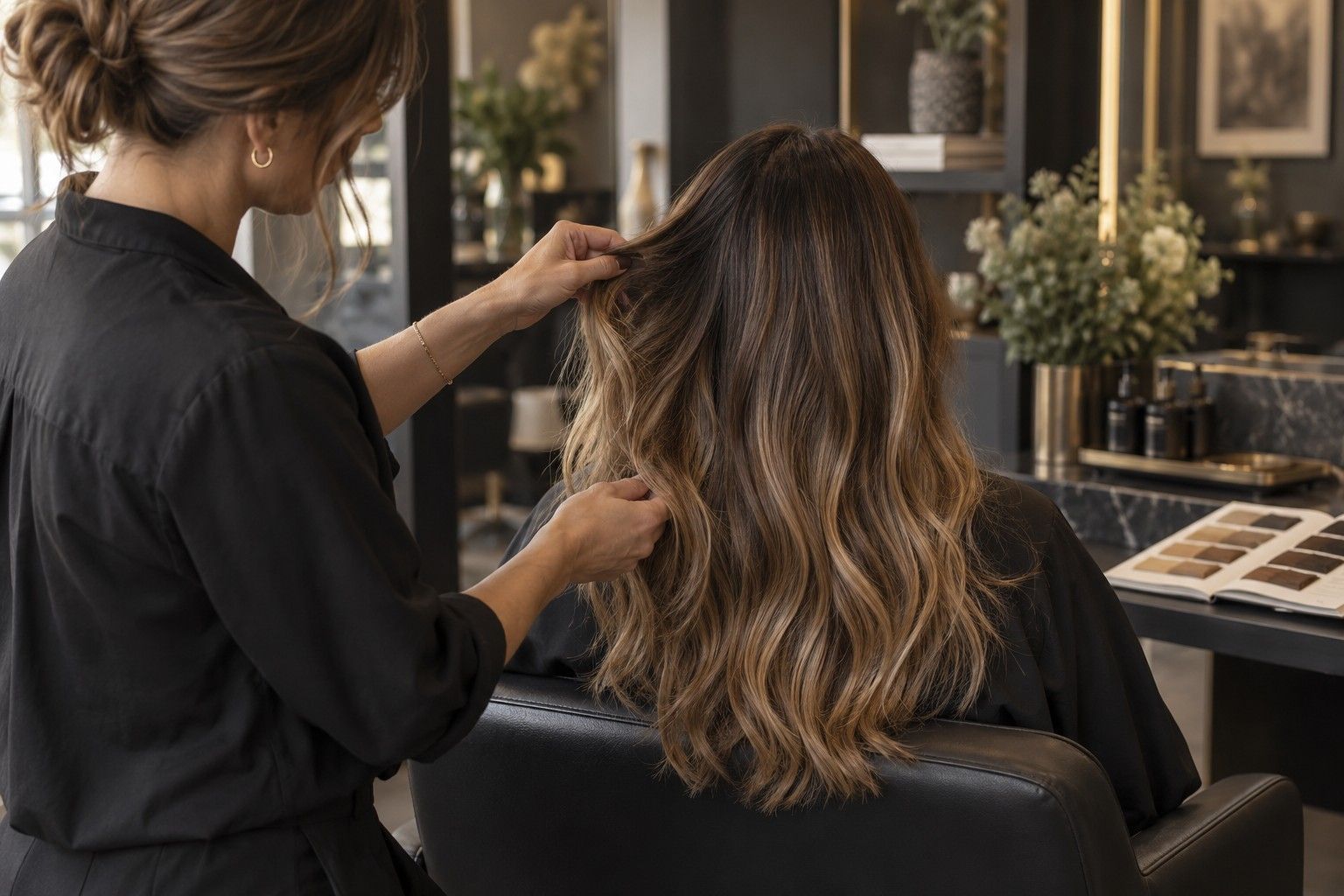
We combine discussion of your concerns with a professional assessment of your hair.
SalonLab analysis can provide additional information, and strand testing may be recommended before a proposed colour service.
These support our judgement rather than replace it or guarantee a result.
Read more about why we measure hair before we promise results.
Choosing an Appropriate Care Routine
The next step depends on what the assessment shows.
It may involve adjusting conditioning, reducing heat, handling your hair more gently, trimming worn ends or reconsidering planned chemical work.
More products or repeated treatments are not automatically necessary.
If dryness is your main concern, read why your hair still feels dry after a treatment.
Unsure About How Your Hair Feels?
Your hair does not need to feel exceptionally soft to be well cared for.
If its texture or behaviour has changed, bring those concerns to a consultation. We can discuss what is normal for your hair, assess the starting point and recommend an appropriate next step.