Why Your Hair Feels Different After Leaving The Salon
Updated 9 October 2026
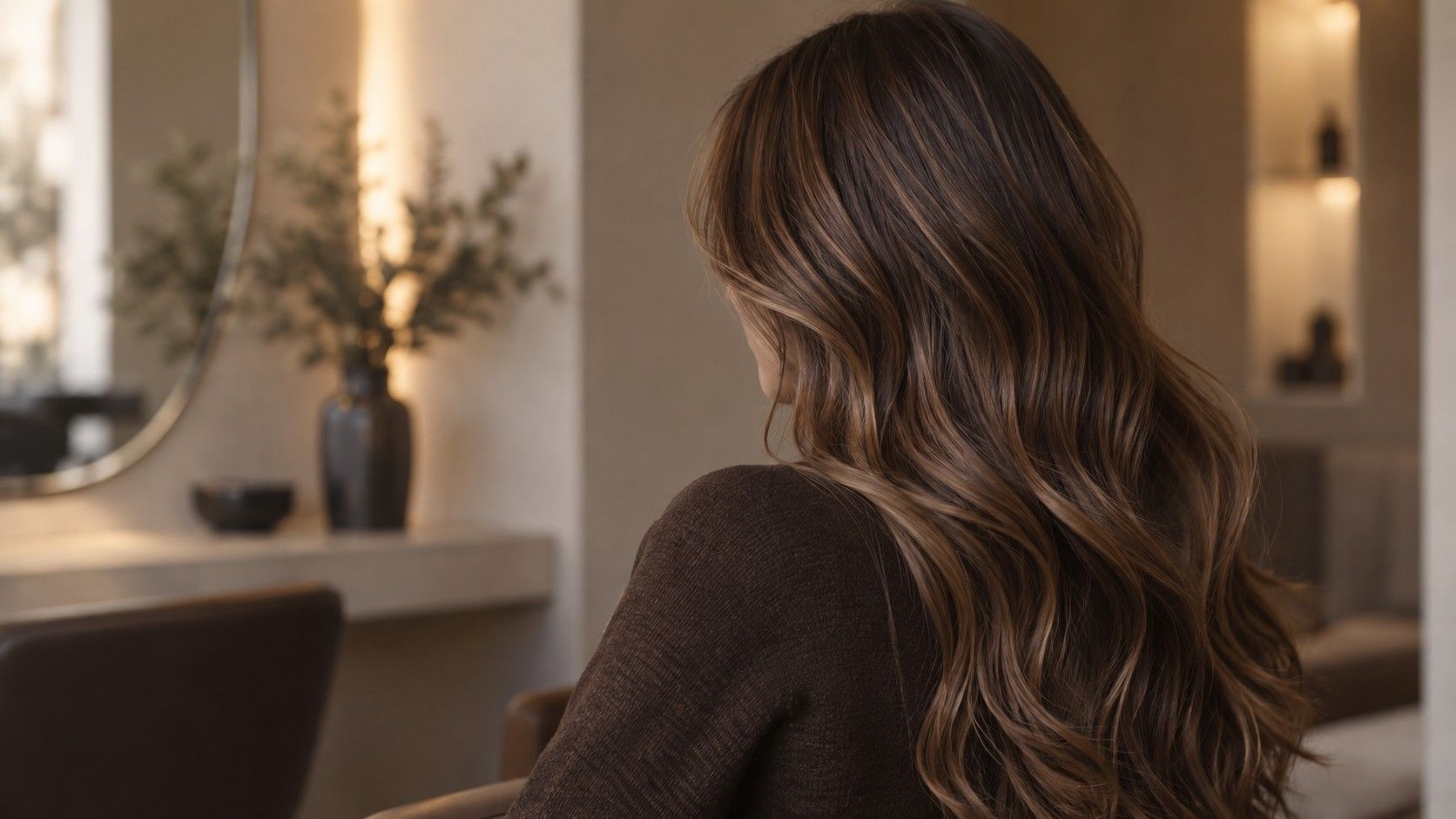
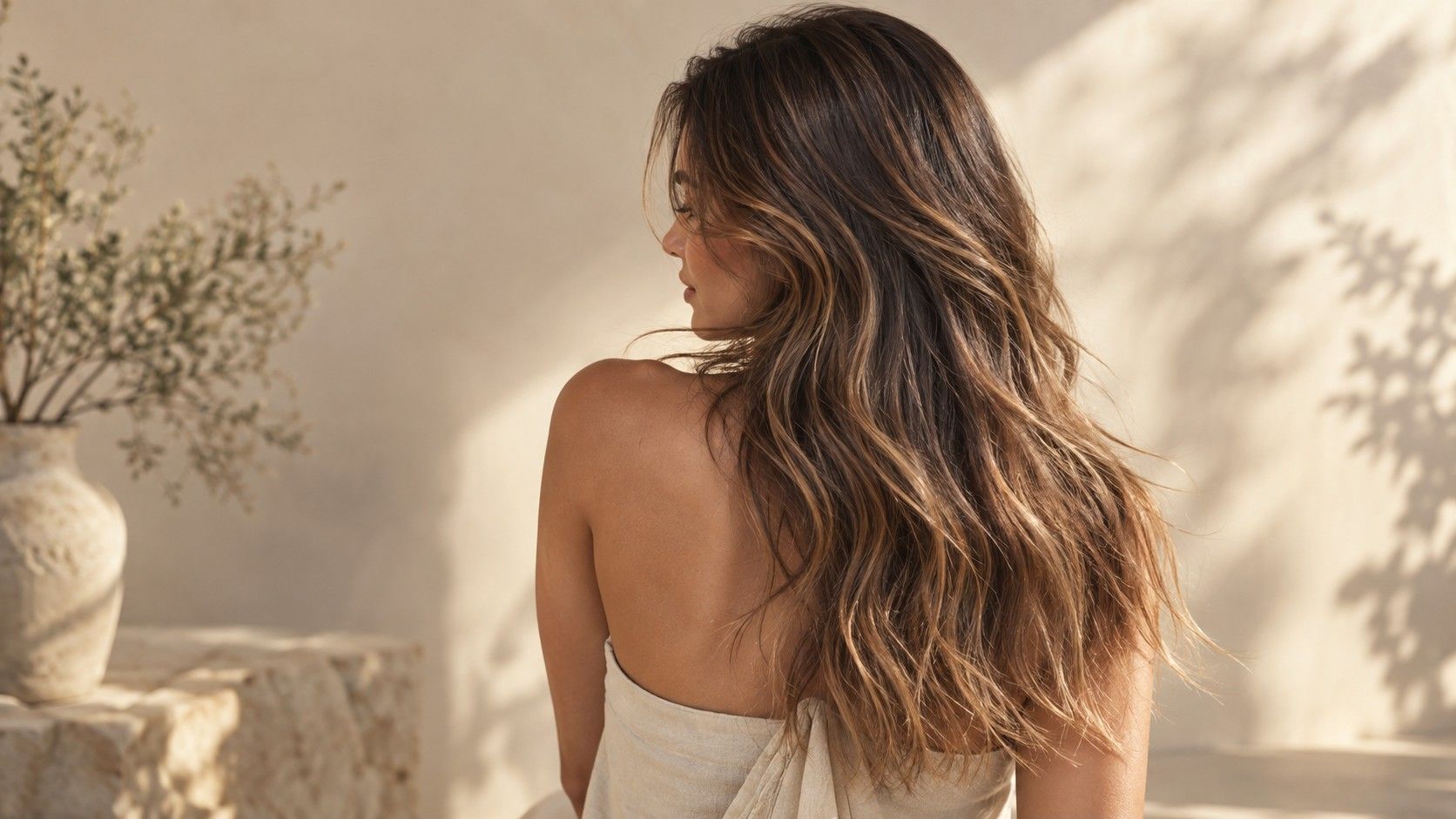
Your hair may feel different after its first wash at home compared with the day you left the salon.
It might have less volume, show more natural texture or feel harder to smooth. Differences in products, drying technique and styling can all contribute.
That does not automatically mean something went wrong. Equally, an unexpected change deserves attention rather than being dismissed as a homecare issue.
Why the Salon Finish Feels Different
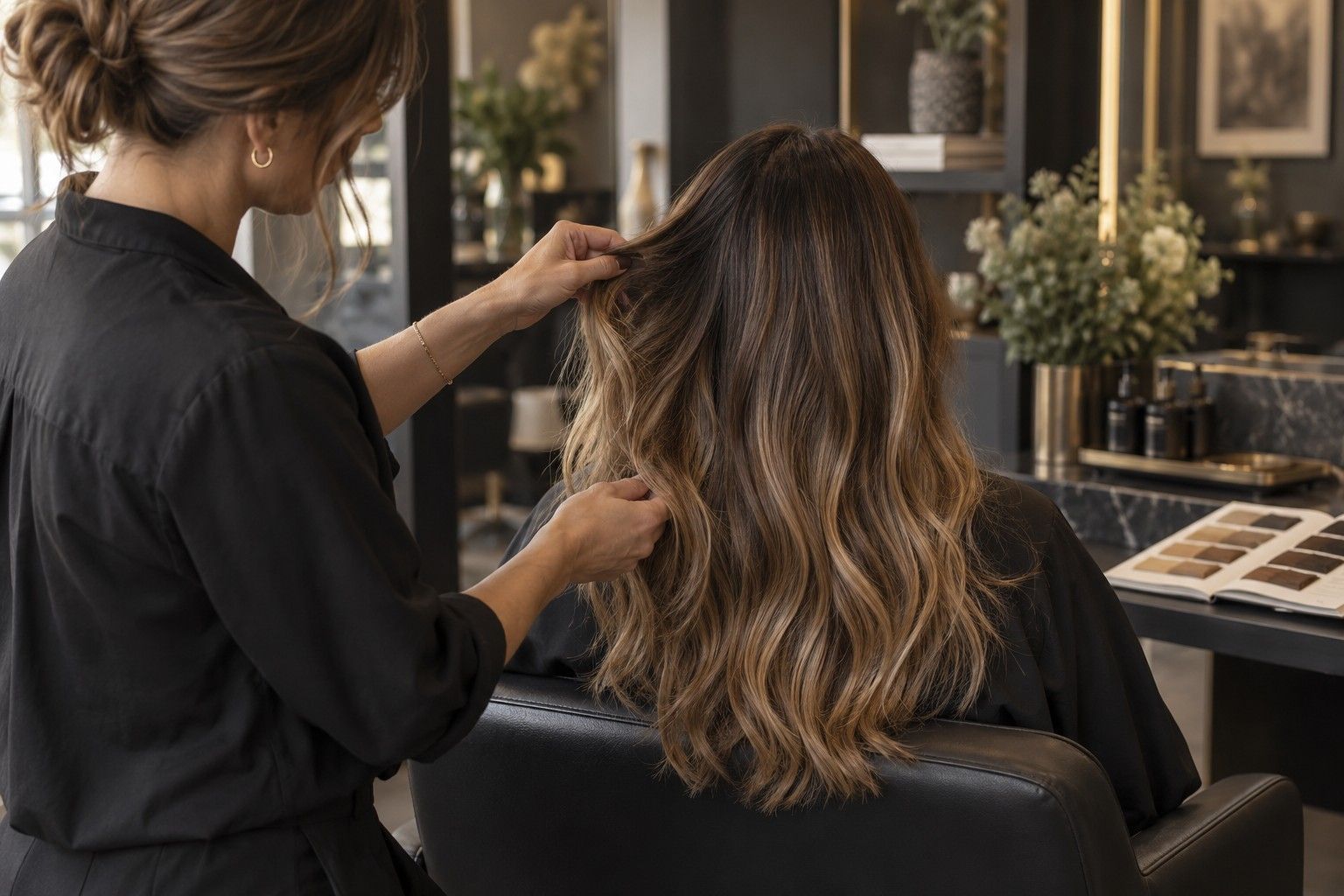
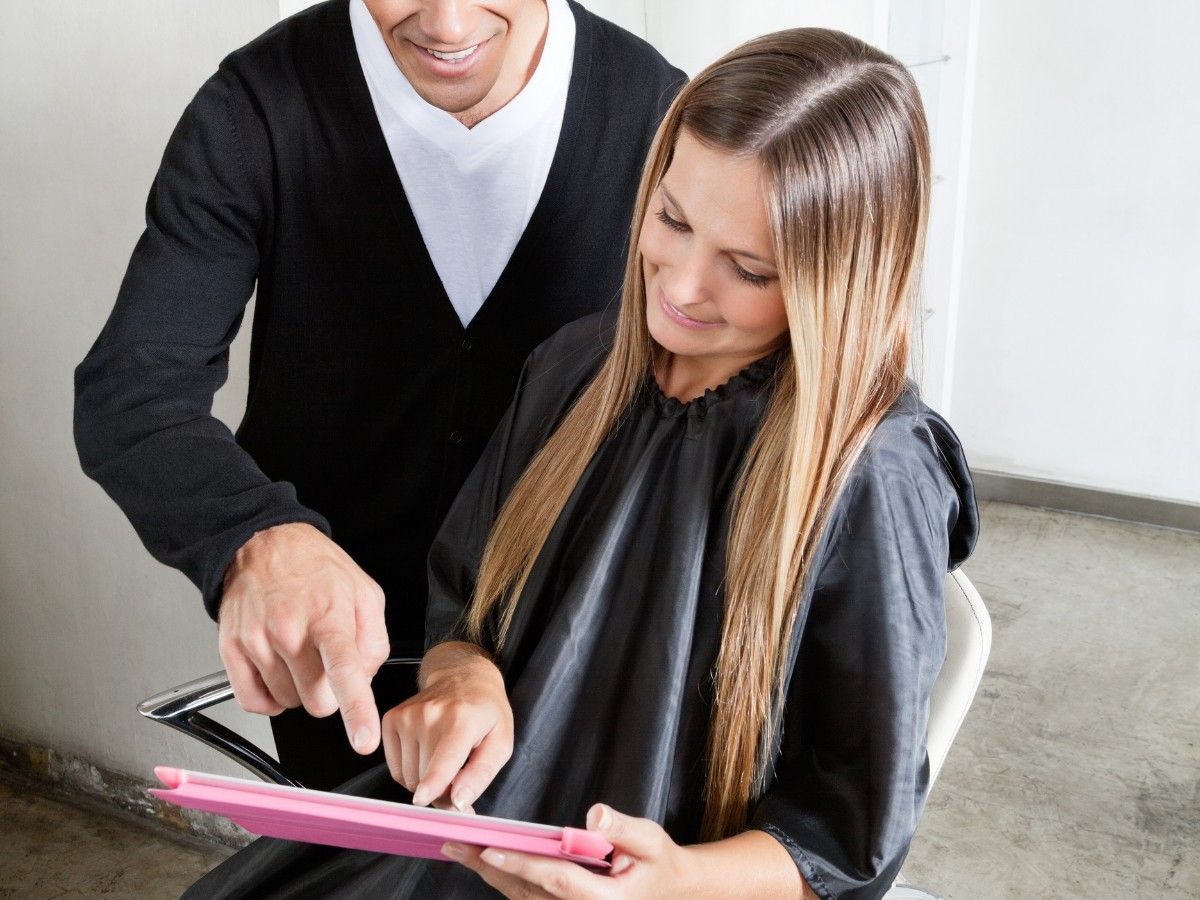
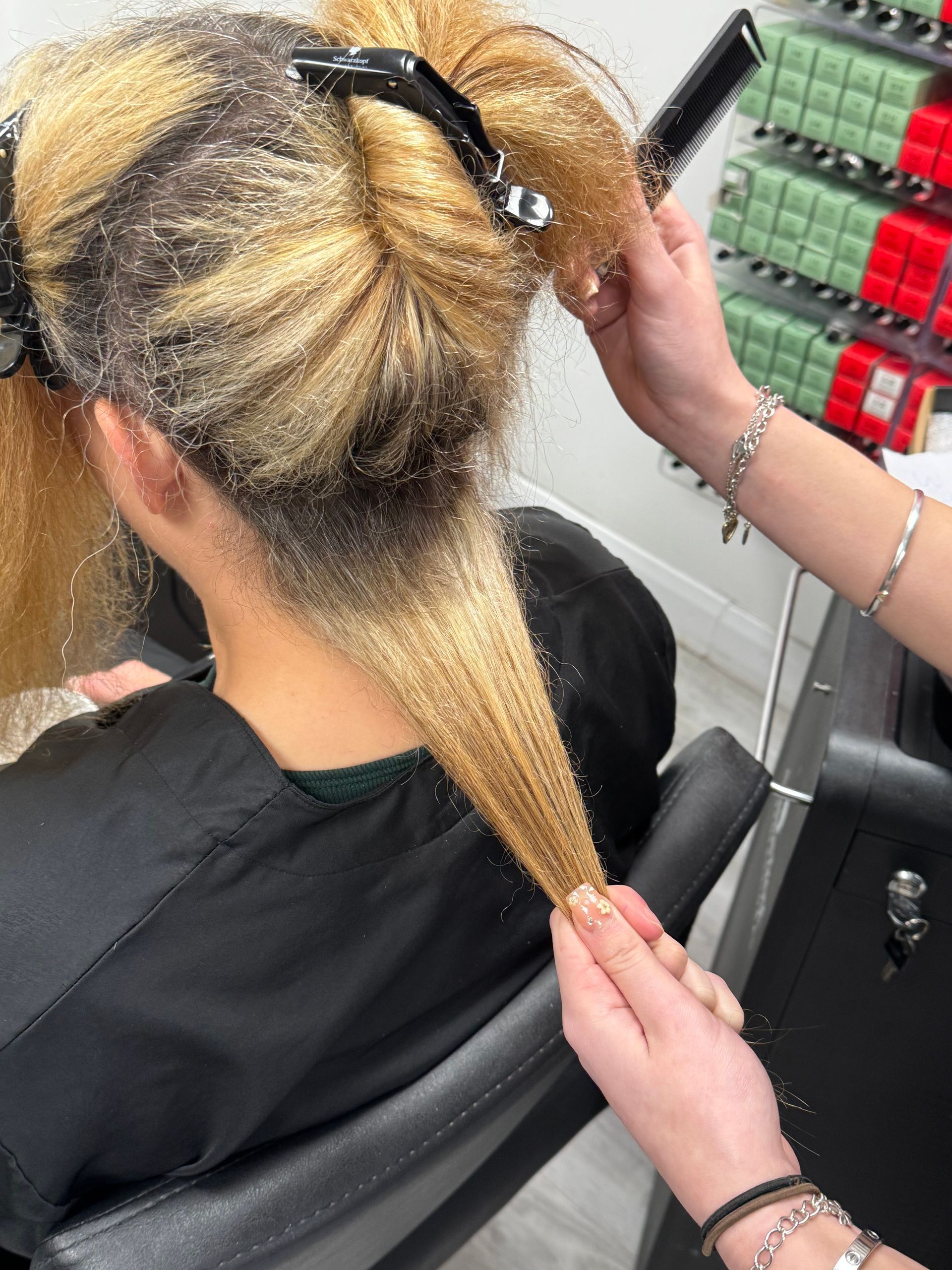
Your appointment may include cleansing, conditioning, blow-drying and finishing products chosen for the result you discussed.
Sectioning, brush choice, airflow and drying technique all influence the finished look and feel.
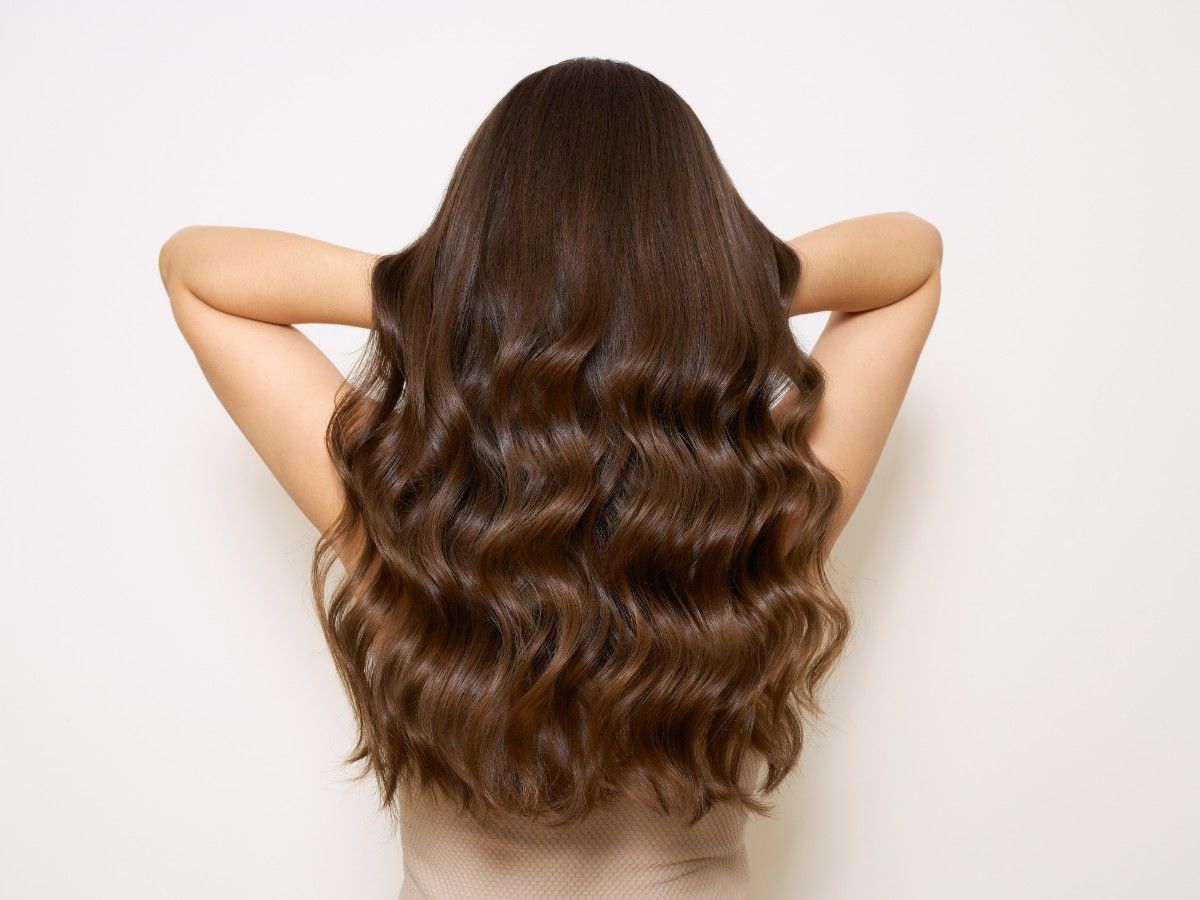
After washing, that temporary styling effect changes. Your natural movement and texture may become more noticeable, particularly if you air-dry or use a different technique at home.
A salon finish is not a permanent change to your natural texture.
Ask How to Recreate the Parts You Like
You do not need to reproduce every step of a professional blow-dry.
Tell your stylist what matters most to you: smoother ends, more volume, curl definition or a quicker morning routine.
Useful questions include:
- Which product made the biggest difference?
- How much should I apply, and where?
- What drying technique would suit my skills and tools?
- Is there a simpler way to achieve a similar effect?
- What should I expect if I leave my hair to dry naturally?
The aim is a routine you can manage between appointments.
Products and Application Both Matter
A product that suits your hair can still give a different result depending on the amount used and where it is applied.
If your hair feels flat, coated or difficult to manage, review your routine before adding more products.
Make a note of:
- your shampoo and conditioner
- any masks or leave-in products
- how much you apply
- where you apply them
- whether they are rinsed out as directed
- your styling products and drying method
Bring this information to your stylist. A small adjustment may be more useful than replacing everything.
Softness Is Only One Part of Condition
Hair feeling less silky after a wash does not, by itself, establish that it is damaged.
Natural texture and the effects of conditioning and styling influence how it feels. Soft hair can also have fragile areas, so feel alone cannot establish suitability for further chemical work.
Read more about why healthy hair isn’t always soft hair.
Your Surroundings Can Affect the Finish
Humidity, rain, wind and swimming can change how your hair behaves after styling.
You may notice more frizz, less volume or a change in the way curls sit. These observations are useful, but they do not identify a single cause on their own.
Tell us when the difference appears—for example, immediately after washing, after swimming or during damp weather.
Heat Styling and Previous Services
Your drying and styling routine matters alongside your colour and chemical history.
Repeated high heat can contribute to damage. Use suitable heat protection, follow its instructions and avoid increasing the temperature simply because your hair is difficult to style.
Previously lightened or chemically treated lengths may also behave differently from newer growth.
Tell your stylist about earlier services as well as the most recent appointment.
When to Contact the Salon
If your hair feels unexpectedly different after a service, contact the salon and explain what you have noticed.
Particularly useful details include:
- when the change began
- whether it appeared before or after washing
- which areas are affected
- any unusual breakage or tangling
- the products and tools used since the appointment
Photographs may help show the concern.
Avoid trying several corrective products or another chemical service before the hair has been assessed. An unexpected change should be reviewed rather than automatically attributed to your routine.
What We Consider During an Assessment
At THE TRUTH IN COLOUR®, we discuss the service performed, your previous history and how your hair has behaved since.
We consider its current condition alongside your washing, products and styling habits before recommending the next step.
That may involve practical styling advice, homecare adjustments, a trim or further assessment.
If persistent dryness is your main concern, read why your hair still feels dry after a treatment.
Helping Your Hair Work at Home
The salon result should come with a clear discussion of maintenance and what you can reasonably recreate yourself.
If something feels different or your routine is not working, ask. Understanding what has changed is more useful than assuming you need another product or treatment.