Why Some Hair Colours Need More Maintenance Than Others
Many clients focus on the result they want to achieve.
What is often overlooked is the maintenance required to keep that result looking its best.
Not all hair colours require the same level of upkeep.
Some colour services are designed to grow out softly and naturally, while others require regular appointments to maintain tone, brightness, or coverage.
Understanding the maintenance commitment before choosing a colour can help prevent disappointment later.
Maintenance Is Not About Good Or Bad Colour
A higher-maintenance colour is not better than a lower-maintenance colour.
They simply require different levels of commitment.
Some clients enjoy regular appointments and frequent refreshes.
Others prefer longer gaps between visits and a softer grow-out.
Neither approach is right or wrong.
The most suitable colour is often the one that fits your lifestyle, routine, and expectations.
Low-Maintenance Colours Often Grow Out More Softly
Colour services such as balayage and softer dimensional colouring are often considered lower maintenance because they avoid strong regrowth lines.
The transition between natural hair and coloured hair is usually more gradual.
This often allows longer periods between appointments while maintaining a balanced appearance.
Low-maintenance colours may still benefit from toning, glossing, or conditioning services, but they typically create less obvious regrowth.
Blonde Colours Often Require More Upkeep
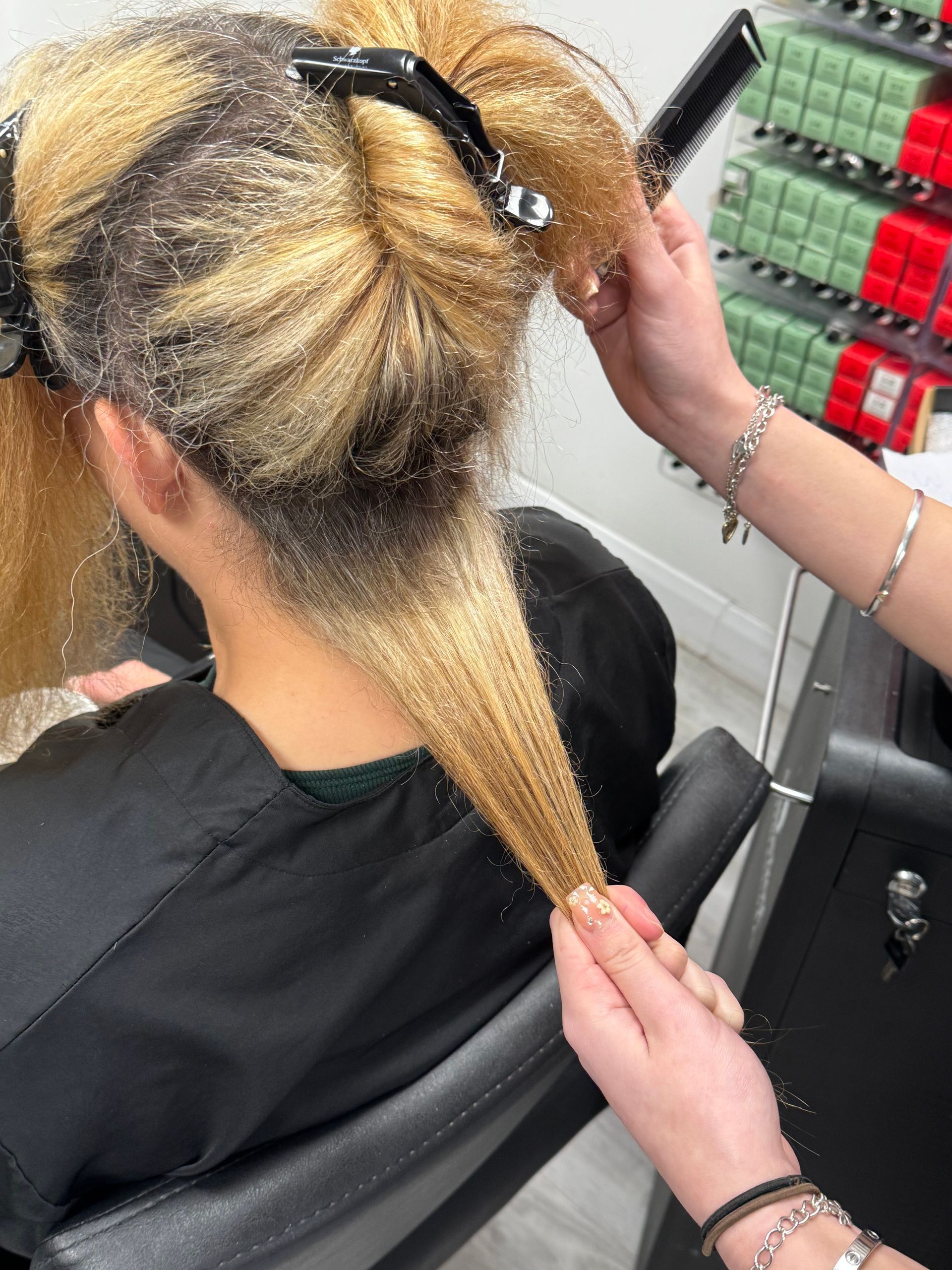
Many blonde services require more maintenance than clients initially expect.
This is because blonde hair can be influenced by:
- fading
- warmth appearing
- mineral build-up
- UV exposure
- environmental factors
Even when the colour itself remains attractive, the tone may gradually change over time.
This is why some blonde clients schedule toner appointments between larger colour services.
Grey Coverage Usually Requires Regular Appointments
Clients covering grey hair often require more frequent appointments than those choosing dimensional or lived-in colour techniques.
As natural regrowth appears, the contrast between the coloured hair and new growth can become more noticeable.
This means appointment frequency is often influenced by natural regrowth rather than fading alone.
Maintenance schedules vary from person to person depending on their individual goals and preferences.
Fashion Colours Often Fade Faster
Bright fashion colours and vivid tones can require significantly more maintenance.
Colours such as:
- coppers
- reds
- fashion reds
- pinks
- violets
often fade more quickly than natural-looking shades.
This does not mean they are unsuitable.
It simply means they may require more frequent refreshing to maintain intensity.
Hair Condition Can Influence Maintenance
Condition plays a major role in how colour behaves.
Hair that is porous or compromised may lose tone more quickly than healthier hair.
This can make colour appear to fade faster even when the colour service itself was successful.
Supporting the condition of the hair often helps improve colour longevity.
Lifestyle Can Affect Colour Longevity
Two clients can receive a similar colour service and experience very different maintenance requirements.
Factors that can influence colour longevity include:
- washing frequency
- heat styling
- swimming
- sun exposure
- homecare products
- environmental exposure
This is one reason why consultations focus on understanding lifestyle as well as colour goals.
Choosing The Right Colour Is About More Than The Result
A consultation should never focus only on what a colour looks like on the day of the appointment.
It should also consider:
- maintenance expectations
- future appointments
- homecare requirements
- budget
- long-term satisfaction
A colour that fits your lifestyle often delivers a better experience than a colour that constantly feels difficult to maintain.
Thinking About Changing Your Hair Colour?
Before choosing a new colour, it is worth considering not only the result you would like to achieve but also the maintenance required to support it.
Understanding the commitment involved often leads to more realistic expectations and longer-lasting satisfaction.