How to Make Your Hair Easier to Style at Home
Updated 9 October 2026
If your hair is easy to manage after a salon appointment but harder to style at home, ask your stylist to help you build a routine around your own tools, time and preferences.
You do not need to recreate every part of a professional blow-dry. Start with the result that matters most to you, whether that is smoother ends, more volume, defined curls or less time spent styling.
Decide What You Want From Your Routine
“Easier to style” means different things to different people.
Think about:
- how much time you want to spend
- whether you prefer air-drying or blow-drying
- which areas are difficult to manage
- the finish you want
- how often you wash and restyle
Tell your stylist what is realistic. This helps us discuss a haircut, products and techniques that fit your everyday routine.
Ask for a Demonstration
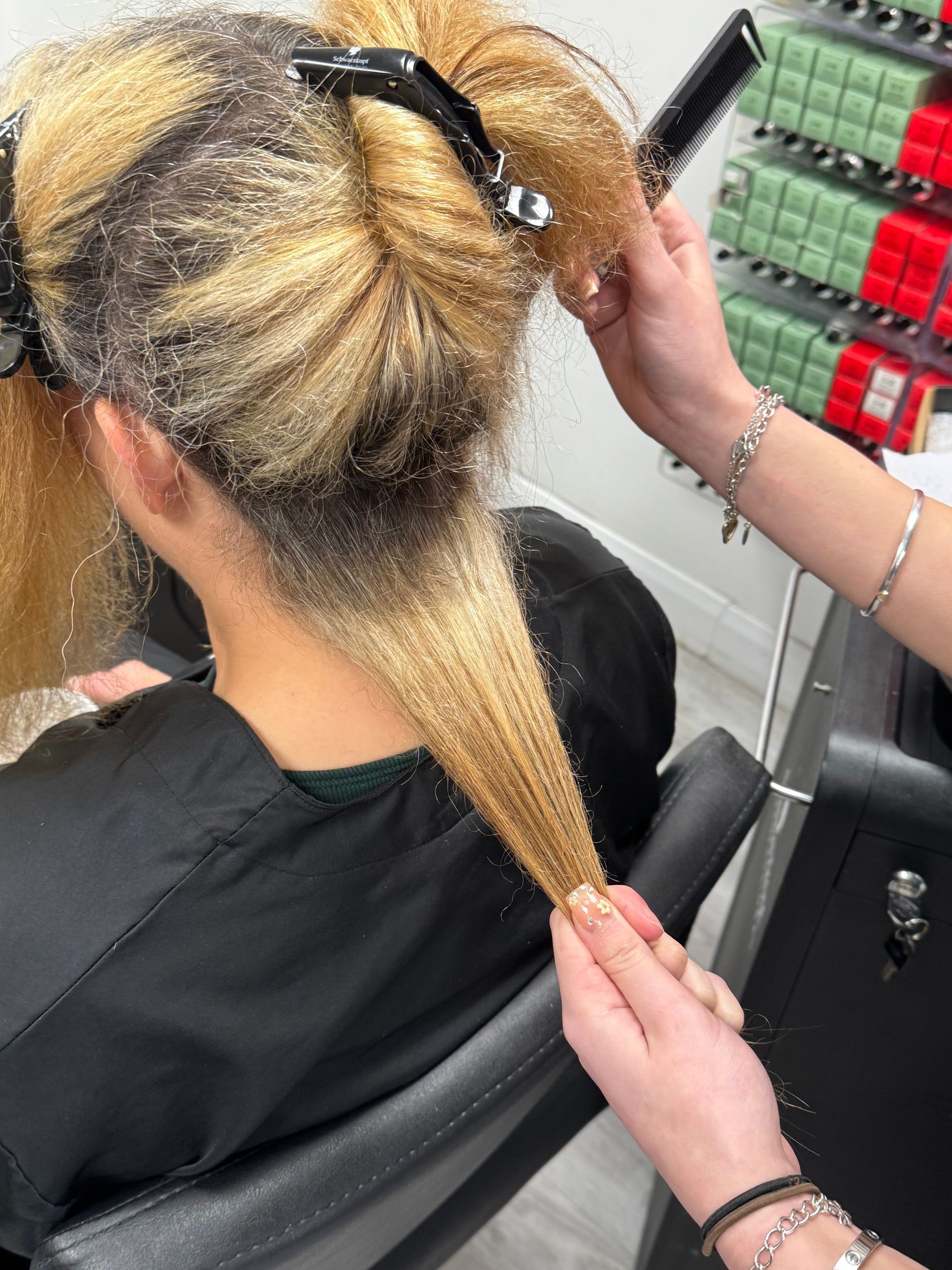
During your appointment, ask your stylist to explain the part of the styling process you find difficult.
You might want to see:
- where to apply a product
- how much to use
- how to divide your hair into manageable sections
- how to position your dryer and brush
- how to encourage your natural movement
- how to finish without repeatedly using heated tools
A demonstration of one useful technique may be easier to remember than a long list of instructions.
Work With the Tools You Have
Tell us which dryer, brushes or other tools you use at home.
You do not need to buy a full set of salon equipment before improving your routine. We can discuss whether your existing tools are suitable and what technique would work with them.
If we recommend something different, ask what problem it addresses and whether there is an alternative.
Keep Product Instructions Clear
Before leaving, make sure you understand:
- what each recommended product is for
- how much to apply
- whether to use it on wet, damp or dry hair
- where to apply it
- whether it needs rinsing out
- how often to use it
More product does not necessarily create a better finish. Follow the instructions and review the amount if your hair feels coated or flat.
Change one part of your routine at a time where practical, so you can judge whether it helps.
Avoid Using More Heat to Solve Every Problem
If a section is difficult to smooth, repeatedly increasing the temperature may add unnecessary stress to the hair.
Ask about section size, brush choice, airflow and preparation instead.
Use suitable heat protection as directed, and discuss a lower-heat approach if frequent styling is becoming difficult to maintain.
You can also ask which parts of the finish could be achieved without heated tools.
Make Room for Your Natural Texture
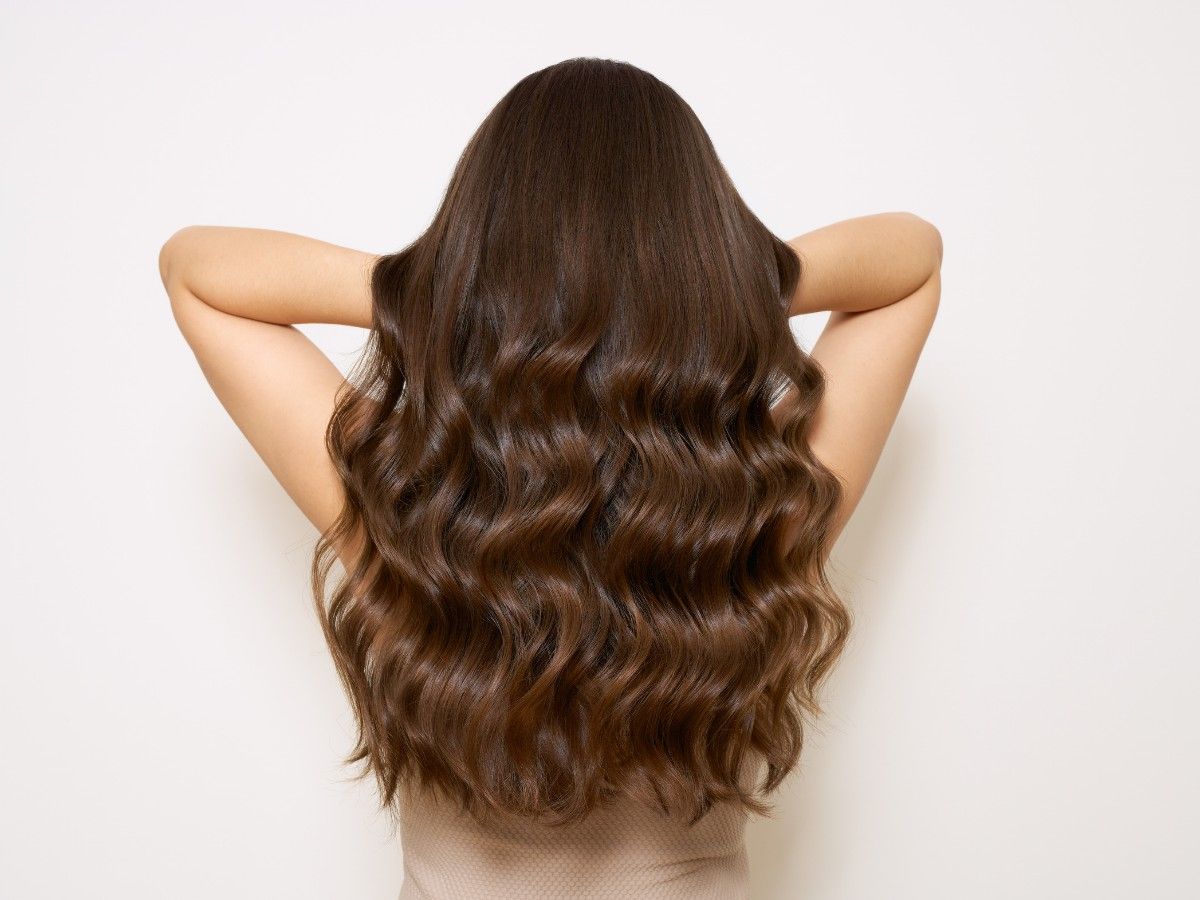
A polished blow-dry can temporarily change how your hair sits. After washing or air-drying, its natural movement may become more noticeable.
That is useful information when choosing a cut and routine.
Tell your stylist whether you want to work with your waves or curls, smooth them, or switch between finishes. We can discuss the upkeep involved rather than assume you want the same styling every day.
Note What Happens After Washing
If the result still feels difficult to manage, record what you used and what happened.
Useful observations include:
- whether the roots feel flat or the ends feel rough
- when tangling or frizz appears
- whether the issue happens during drying or later
- how the result changes with different products or weather
Photographs can help explain the concern at your next discussion.
For more about these differences, read why your hair feels different after leaving the salon.
When Styling Advice Is Not Enough
An unexpected change after a service should not automatically be blamed on your technique.
If you notice unusual breakage, persistent tangling or a marked change in how your hair behaves, contact the salon for an assessment before trying further chemical work.
If dryness is the main concern, read why your hair still feels dry after a treatment.
Build a Routine You Can Maintain
Bring your questions, product details and information about your usual tools to a consultation.
We can discuss the parts of your routine that are working, what is proving difficult and which adjustments may help.